The Mystery of Navapashanam: How Nine Lethal Poisons Were Alchemized into Palani Murugan's Sacred Idol
Centuries before modern toxicology, Tamil Siddha Sage Bogar fused nine deadly mineral toxins into an enduring, curative idol that defies physical decay and transforms ritual baths into life-saving medicine.
Atop the sacred Sivagiri hill in Palani, Tamil Nadu, stands an ancient idol crafted not from stone or bronze, but from Navapashanam—an alchemical matrix of nine deadly poisons solidified by Sage Bogar. Discover the hidden chemistry, the healing powers of the overnight sandal paste and abhishekam prasadam, the subterranean tunnel connecting Bogar's samadhi, and the controversial 2004 replacement that triggered an international antiquities investigation.
Aakash Bhagat
Founder & Editor
•Updated October 4, 2026•8 min read
The sacred hill shrine of Arulmigu Dhandayuthapani Swamy Temple in Palani, Tamil Nadu, housing the ancient Navapashanam idol sculpted by Sage Bogar atop the Sivagiri hill.Archaeological Archives
Coorg's hillside resorts book out months in advance now. Gokarna's main beach can feel more like a queue than a shoreline, and Hampi comes with tour buses in equal measure. But Karnataka's Malnad hill country and coastal belt hold a genuinely different kind of trip: rainforest instead of resort, empty tide lines instead of beach shacks, and moss-draped forts you'll have mostly to yourself. Discover 7 secret places in Karnataka that redefine South Indian travel.
Whether you crave snowy Himalayan walks, candlelit palace reflections across Lake Pichola, high-energy beach parties in Goa, colonial carnival effigies in Fort Kochi, or tropical isolation in the Andamans, India offers an astonishing spectrum of year-end celebrations. Discover five magical destinations to spend Christmas and New Year.
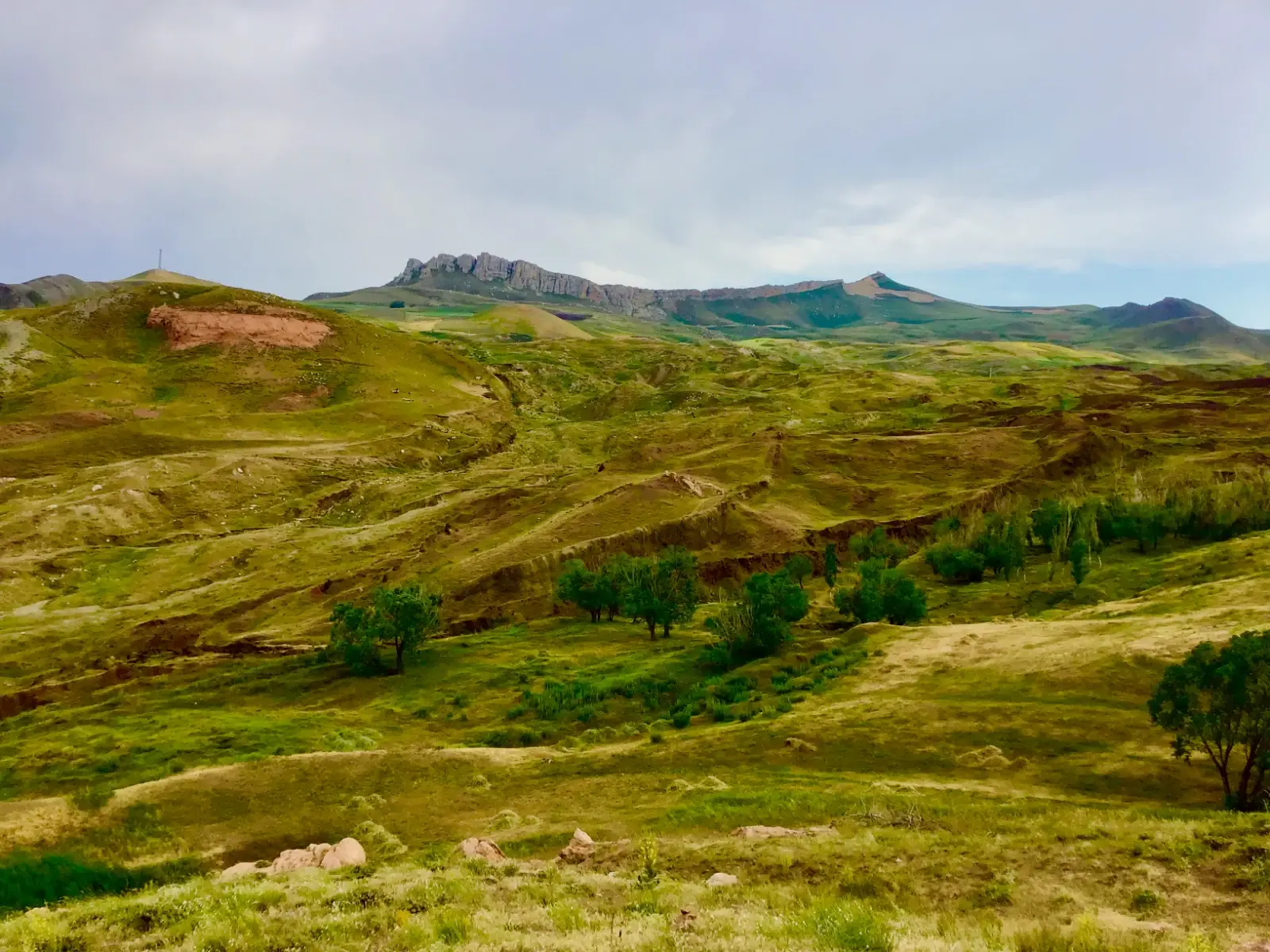
High in eastern Turkey’s Tendürek Mountains, a 515-foot boat-shaped formation has puzzled researchers for 65 years. In September 2026, university archaeologists began direct core drilling for the first time since 1988. Discover what was actually recovered, how Collins and Fasold exposed early claims, and the falsifiable test awaiting 2027 lab results.
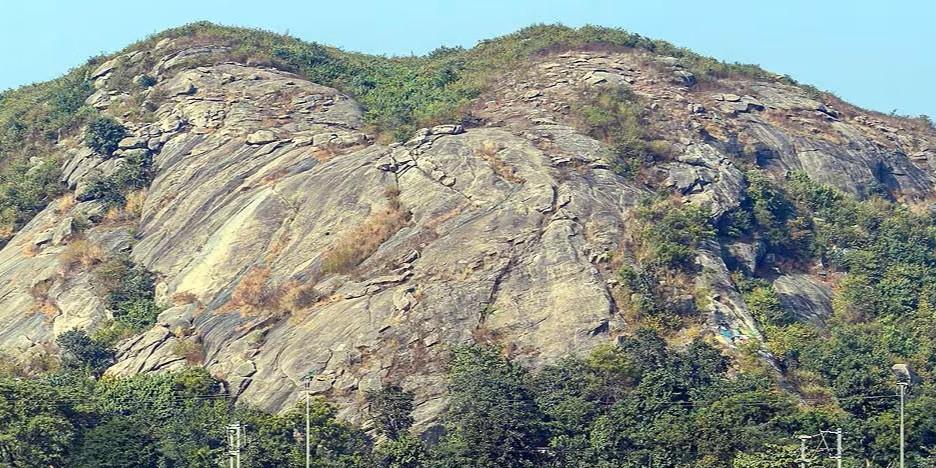
Long before dinosaurs, trees, or atmospheric oxygen, primitive microbial life was already thriving on Earth. In 2026, geologists analyzing 3.497-billion-year-old chert from Jharkhand's Singhbhum Craton discovered organic carbon biosignatures and direct zircon dates — providing a rare, pristine glimpse into Earth's earliest biosphere.
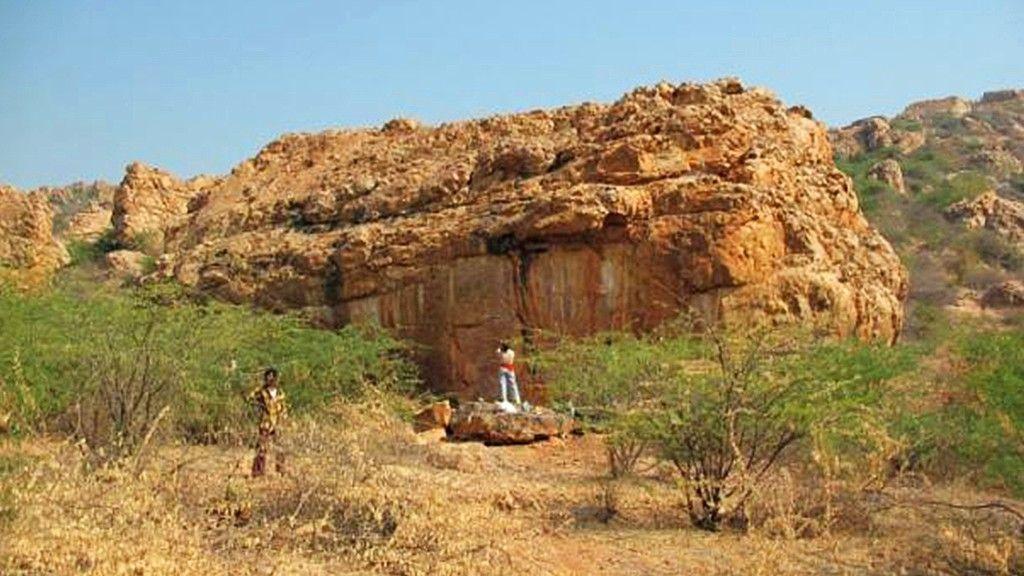
Roughly 74,000 years ago, Mount Toba erupted with catastrophic force, triggering a decade-long volcanic winter and inspiring the theory that humanity was pushed to the brink of extinction. In Andhra Pradesh's Jurreru River valley, excavations at Jwalapuram have spent two decades challenging that narrative — revealing Middle Palaeolithic stone tools buried directly beneath, and preserved above, metres of volcanic ash.
Perched high atop the Sivagiri hill in Dindigul district of Tamil Nadu, the temple of Arulmigu Dhandayuthapani Swamy (Lord Murugan) commands one of the most enigmatic chapters in the history of Indian sacred sciences. Millions of pilgrims climb the granite steps every year to seek the blessings of the youthful ascetic deity. Yet few realize that the dark, serene idol reigning within the sanctum sanctorum was sculpted neither from granite nor cast in temple bronze. According to centuries of living tradition and classical Tamil Siddha treatises, it is composed of Navapashanam—a solidified alchemical amalgam of nine lethal poisons forged by the legendary master Sage Bogar.
Quick Digest: The Navapashanam Enigma of Palani
Sanctuary Location
Sivagiri Hill, Palani, Dindigul District, Tamil Nadu (~450 feet elevation)
Presiding Deity
Lord Dhandayuthapani Swamy (Murugan in the form of a youthful ascetic monk)
Master Alchemist
Tamil Siddha Sage Bogar (author of the 7,000-verse alchemical epic Bogar Saptakanda)
Idol Composition
Navapashanam (nine lethal mineral/plant poisons alchemized into a stone-hard matrix)
Core Mechanism
Micro-mineral leaching into milk, honey, panchamirtham, and sandal paste without toxicity
Subterranean Tunnel
Subterranean corridor connecting Bogar Samadhi shrine to sanctum foundation
2004 Controversy
Controversial 200-kg panchaloha replacement removed after public fury and Idol Wing probe
The Legend of Navapashanam: Nine Lethal Poisons Bound into Stone
In the classical Siddha lexicon of Tamil Nadu, 'Nava' signifies nine and 'Pashanam' translates literally to poisonous minerals or toxic compounds. The idol of Lord Dhandayuthapani is crafted from a precise mixture of toxic minerals and herbs including mercury, arsenic, and sulfur compounds that would prove instantly fatal if ingested in raw form.
The revered idol of Lord Dhandayuthapani Murugan within the sanctum sanctorum, sculpted from the lustrous, dark Navapashanam matrix holding the sacred staff (dhandam).Photo: Beyond Bharat Archives / Sacred Temple Heritage Documentation
To the untrained observer, combining these nine toxic elements represents a recipe for devastating harm. Yet in Siddha epistemology, poisons were not inherently evil; they were viewed as potent, volatile energies awaiting purification (shodhana) and transmutation (rasayana). Sage Bogar, one of the foremost among the 18 venerable Tamil Siddhars, recognized that by balancing these nine minerals in precise cosmic and chemical ratios, their destructive lethality could be entirely neutralized, resulting in an impervious, granite-like material possessing profound restorative and therapeutic properties.
Sage Bogar’s Alchemical Mastery: The Siddha Science of Neutralization
Sage Bogar used secret herbal catalysts and cosmic alignments to neutralize the lethal toxicity, hardening the volatile mixture into a durable, granite-like statue. According to traditional records, each raw substance was subjected to months of arduous purification cycles involving maceration in herbal juices, including Bhringraj (Eclipta alba) and Kumari (Aloe vera).
Sage Bogar in his Palani hill laboratory, combining purified mercury, cinnabar, sulfur, and herbal catalysts using traditional stone mortars and wood-fired crucibles.Photo: Beyond Bharat Historic Visuals / Tamil Siddha Research Archives
The Nine Alchemical Ingredients of Navapashanam & Their Siddha Properties
Classical Siddha Name
Chemical / Mineral Identity
Raw Natural Toxicity
Purified Siddha Medicinal Function
Veeram
Corrosive Sublimate (Mercuric Chloride, HgCl2)
Extremely caustic, lethal cellular poison
Potent anti-microbial agent when detoxified; immune catalyst
Pooram
Calomel (Mercurous Chloride, Hg2Cl2)
Toxic heavy metal salt affecting nerves
Eliminates deep tissue toxins and chronic rheumatic stagnation
Rasam
Purified Elemental Mercury (Quicksilver, Hg)
Volatile neurotoxin in raw elemental state
King of rasayanas; cellular rejuvenation and vital stabilization
Jathilingam
Natural Cinnabar (Mercury Sulfide, HgS)
Heavy metal mineral requiring heat purification
Cardiovascular tonic, hematinic enhancer, and longevity promoter
Kandagam
Elemental Brimstone / Sulfur (S)
Skin irritant and toxic in burning fumes
Binds mercurial volatility; powerful anti-fungal and blood purifier
Gauri Pasanam
Yellow Arsenic Trisulfide (Orpiment, As2S3)
Highly poisonous natural arsenic mineral
Purifies lymphatic pathways and combats chronic lung degeneration
Vellai Pasanam
White Arsenic Trioxide (As2O3)
Lethal poison in minute milligram doses
Cellular stimulant in trace amounts; remedies persistent fevers
Mridharsingh
Litharge / Lead Monoxide (PbO)
Toxic cumulative lead compound
Promotes structural hardness of the alloy and tissue astringency
Silasat
Bitumen / Fossilized Mineral Resin
Complex hydrocarbon-mineral matrix
Organic binder integrating mineral phases into permanent stone form
Healing Properties and Rituals: The Wonder Drug of Abhishekam
Routine ritual baths (abhishekam) using milk, spring water, honey, and panchamirtham are believed to absorb the curative minerals from the statue. Rather than causing toxicity, the gentle organic acids and fats in these holy liquids act as natural colloidal solvents, leaching beneficial nano-particles from the matrix into the runoff.
Temple priests performing the sacred Abhishekam ritual, where warm milk, golden honey, and fragrant sandal paste cascade over the dark mineral deity, absorbing curative trace minerals.Photo: Beyond Bharat Temple Arts Collective
Devotees consume this liquid or use the overnight sandalwood paste applied to the idol as a traditional wonder drug for complex ailments. Applied generously across the statue at twilight, the 'Rakkala Sandhanam' paste rests against the idol for hours, absorbing therapeutic mineral emanations before being scraped at dawn and distributed to pilgrims seeking relief from chronic skin, digestive, and nervous disorders.
The Underground Connection: Bogar’s Samadhi and the Subterranean Corridors
Bogar's samadhi (resting place) lies in the southwest corridor of the hill temple, which legend says connects via a subterranean tunnel directly beneath the main idol. Devotees visiting the southwestern prakaram step down into a quiet stone sanctum where a consecrated emerald lingam and yantra mark the entrance to this subterranean domain.
The stone corridor leading to Sage Bogar's subterranean Samadhi shrine at the southwest quadrant of the Palani hill temple, where a legendary passageway leads beneath the main sanctum.Photo: Beyond Bharat Heritage Field Dispatch
“The idol was not shaped merely for adoration, but as an inexhaustible spring of life—where poisons lose their venom and yield their secret medicine to those who approach with faith.”
Siddha Oral Tradition — Ascribed to the Lineage of Sage Bogar and Sage Pulipani at Palani Hills
Modern Controversy and Erosion: The 2004 Replacement Crisis
Centuries of daily rituals have caused gradual erosion to the delicate ancient surface of the original statue. By the dawn of the 21st century, the continuous abrasion from ritual washings had softened the sharp chisel marks of the face, chest, and staff, prompting urgent deliberations on how best to safeguard the irreplaceable artifact.
Forensic and metallurgical spectrometry analysis of the controversial 200-kg panchaloha replacement idol by materials science investigators, which exposed metal diversion and substandard alloys.Photo: Tamil Nadu Forensic & Heritage Investigative Archives
In 2004, temple authorities installed a secondary 200-kg panchaloha idol, detailed in extensive investigative reports by The Hindu, ostensibly to protect the original. However, the new metallic idol turned black within months, triggering public outrage, legal petitions, and widespread suspicion. Investigations led by Inspector-General A.G. Pon Manickavel of the Tamil Nadu Idol Wing-CID revealed a suspected criminal scheme to substitute and smuggle the original Navapashanam idol. Metallurgical testing conducted by IIT-Madras proved that the replacement statue lacked its mandated gold content, leading to the swift removal of the replica and the arrest of top temple administrators and sculptors.
Scholarly Frequently Asked Questions
What is Navapashanam, and why is the Palani idol unique?▼
Navapashanam is an ancient Siddha alchemical matrix compounded from nine lethal poisons (including mercury, sulfur, cinnabar, arsenic, and lead compounds). Crafted by Sage Bogar atop the Palani hills in Tamil Nadu, it is the only known monolithic temple idol of its kind in the world, transformed through secret purification rituals into an impervious, therapeutic substance that does not erode like ordinary stone.
Who was Sage Bogar?▼
Sage Bogar (or Bhogar) was one of the 18 celebrated Tamil Siddhars, renowned as an alchemical genius, yogi, and physician. He authored the 7,000-verse alchemical and philosophical work 'Bogar 7000' (Bogar Saptakanda). Tradition holds that after creating the Palani Murugan idol, he entered Nirvikalpa Samadhi in a subterranean cave shrine within the temple complex.
Is the milk or panchamirtham poured over the Navapashanam idol safe to consume?▼
Yes. Millions of pilgrims have consumed the abhishekam milk and panchamirtham prasadam for centuries without heavy metal poisoning. Siddha science and preliminary pharmacological observations suggest Bogar's herbal transmutation bound the metals into bio-inert colloidal forms, allowing holy liquids to absorb beneficial micro-minerals while neutralizing toxicity.
Where is Sage Bogar's samadhi located, and does it connect to the sanctum?▼
Sage Bogar's samadhi shrine is situated in the southwest corridor (prakaram) of the Palani hill temple. Temple chronicles and local tradition indicate that an ancient subterranean passage connects this chamber directly to the foundation space beneath the main sanctum sanctorum of Lord Dhandayuthapani.
Why was the 2004 panchaloha replacement idol removed from Palani temple?▼
In January 2004, authorities installed a 200-kg panchaloha (five-metal) idol to shield the eroding Navapashanam statue. However, the replica turned black within months, sparking public outcry. An extensive probe by the Tamil Nadu Idol Wing-CID and metallurgical tests by IIT-Madras exposed corruption, diverted gold, and a suspected plot to smuggle the original idol, leading to the replica's swift removal on June 7, 2004, and multiple arrests.
Explore Related Heritage, Metallurgy & Sacred Architecture Stories